

 See My Latest Article on HelloNation
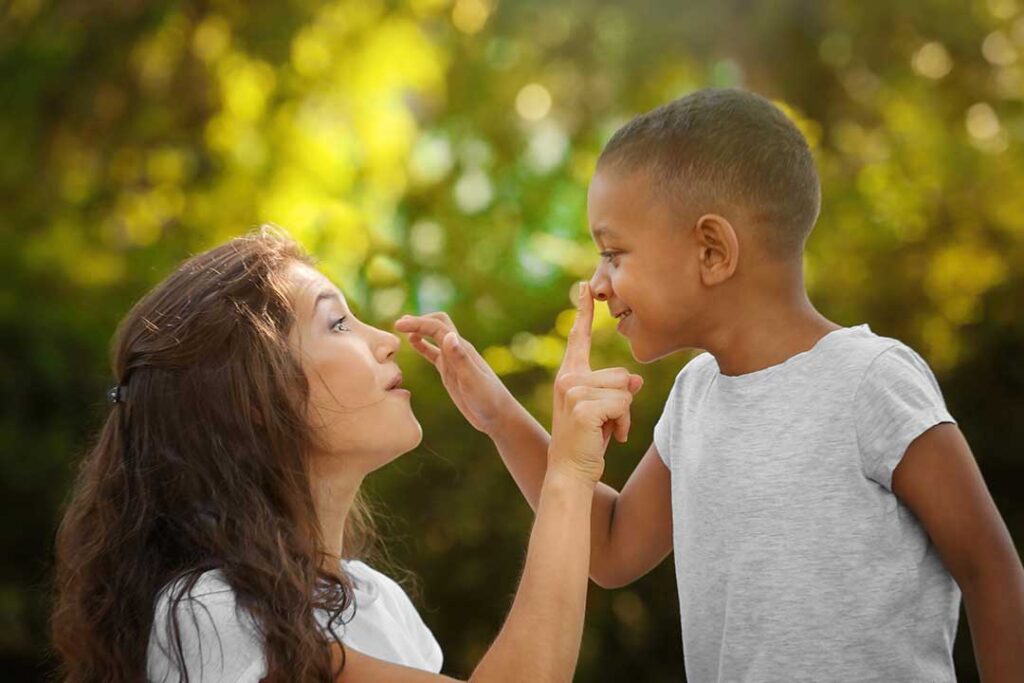
Outdoor play supports children’s physical health, emotional well-being, learning, and social development. For families in Carmel, IN, outdoor time can be part of everyday childcare in many forms, from backyard exploration and neighborhood walks to playground activities, nature observation, and active games during different seasons.
Outdoor play does not need to be highly structured or expensive. Children benefit from having time to move, make choices, use their senses, and interact with other children in a safe setting.
How does outdoor play support physical development?
Outdoor play strengthens large-muscle skills such as running, jumping, climbing, balancing, throwing, and catching. These movements help children develop coordination, body control, stamina, and confidence.
Younger children may practice walking across uneven ground, stepping over small objects, pushing ride-on toys, or climbing low equipment. Older preschoolers may create obstacle courses, play tag, pedal, toss balls, or practice balancing along a curb or beam designed for safe play.
Regular outdoor movement can also support:
- Healthy muscle and bone development
- Balance and spatial awareness
- Cardiovascular fitness
- Hand-eye coordination
- Better control of body movements
- Comfortable energy release during the day
Children do not need to perform exercises in a formal way. Active play is often more engaging because it allows children to repeat movements naturally while following their own interests.
Why is outdoor play valuable for learning?
Outdoor environments give children opportunities to learn through direct experience. A child can observe how water moves, compare the textures of leaves and bark, notice changes in shadows, or discover that some materials sink while others float.
These experiences support early science, math, language, and problem-solving skills. For example, children may:
- Count stones, pinecones, steps, or flowers
- Sort natural objects by size, color, or texture
- Estimate how far a ball will roll
- Describe weather, sounds, smells, and movement
- Ask questions about insects, plants, or birds
- Build structures with sticks, sand, snow, or loose parts
Outdoor play also encourages flexible thinking. A child may need to change a plan when a tower falls, find a different route around a puddle, or work out how to carry several objects at once. These small challenges build persistence without making learning feel like a lesson.
Can outdoor play help with emotional regulation?
Outdoor time may help children manage stress, strong emotions, and excess energy. Physical movement can provide a healthy outlet, while open space may feel less restrictive than an indoor environment.
Many children are better able to settle after running, digging, swinging, or walking. Outdoor play can also provide quieter moments for children who become overwhelmed by noise or busy group activity. A shaded area, a garden corner, or a calm walk can allow a child to pause and regain control.
Adults can support emotional development by naming what children experience:
- “You worked hard to climb that.”
- “You look frustrated that the bridge fell.”
- “Your body is moving quickly. Let’s slow down near the steps.”
- “You found a quiet place to take a break.”
This approach connects physical sensations with emotional language and helps children gradually recognize what they need.
How does outdoor play build social skills?
Outdoor settings create natural opportunities for cooperation, communication, and conflict resolution. Children may need to take turns on equipment, agree on rules for a game, share materials, or decide how to use a limited space.
Unstructured play is especially useful because children must often organize the activity themselves. They may assign roles, create pretend scenarios, or negotiate what happens next. Adults can observe and step in when needed, while allowing children reasonable chances to solve minor disagreements.
Helpful adult support may include:
- Restating each child’s point of view
- Helping children suggest more than one solution
- Setting clear boundaries about unsafe behavior
- Encouraging turn-taking without forcing a specific outcome
- Demonstrating respectful ways to enter an ongoing game
Outdoor play does not eliminate conflict. Instead, it gives children repeated practice handling disagreement in manageable situations.
What kinds of outdoor play are appropriate for different ages?
The best outdoor activities match a child’s developmental level, interests, and physical abilities. Infants may benefit from supervised time on a blanket, looking at trees, listening to outdoor sounds, or reaching for safe objects.
Toddlers often enjoy:
- Carrying and pushing objects
- Water and sand exploration
- Walking on different surfaces
- Climbing low structures with close supervision
- Collecting and naming natural items
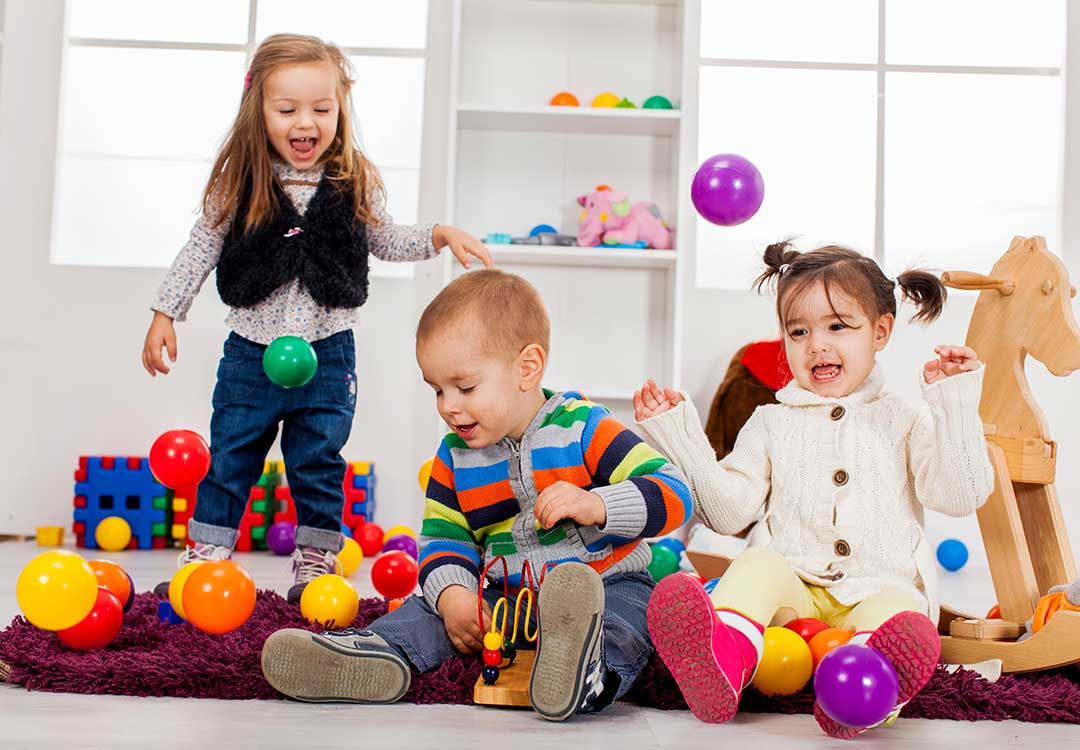
Preschool-age children may be ready for:
- Simple scavenger hunts
- Pretend play
- Ball games
- Tricycle or balance activities
- Building with loose materials
- Gardening tasks
- Nature drawing and storytelling
The goal is not to make every outdoor period educational or organized. Children also need time to wander, repeat favorite activities, and invent their own games.
How can families manage outdoor play in Carmel’s changing seasons?
Seasonal variety can make outdoor play more interesting, but weather conditions require thoughtful planning. Hot, humid summer days call for shade, water breaks, breathable clothing, and attention to signs of overheating. Children may need shorter periods of active play during the warmest part of the day.
During colder months, layers, warm socks, gloves, hats, and dry clothing help children remain comfortable. Wet clothing can quickly reduce body warmth, so caregivers should check children regularly and replace damp items when needed.
Rain does not always prevent outdoor play. With suitable clothing and safe surfaces, children can investigate puddles, listen to rainfall, or look for changes in soil and plants. Outdoor time should be postponed during thunderstorms, dangerous wind, icy conditions, poor air quality, or other hazardous weather.
In spring and fall, changing temperatures can make mornings and afternoons feel very different. Dressing children in removable layers allows caregivers to adjust as conditions change.
What safety habits matter most outdoors?
Active supervision is the foundation of safe outdoor play. Adults should remain close enough to see and respond, especially around water, climbing equipment, roads, gates, unfamiliar animals, and areas where visibility is limited.
Before play begins, caregivers can check for:
- Broken equipment or sharp edges
- Standing water or unstable ground
- Poisonous plants or unknown berries
- Excessive heat from metal or plastic surfaces
- Ticks, stinging insects, or other hazards
- Small objects that could create a choking risk
- Unsafe access to streets, driveways, or parking areas
Sun protection, handwashing after outdoor activities, and frequent water breaks are also useful routines. Children should learn simple safety rules, but supervision should not depend on children remembering every rule independently.
Does outdoor play need to happen every day?
Daily outdoor time is beneficial when conditions and supervision allow, but the length and intensity can vary. A short walk, a few minutes of ball play, or time observing nature can still provide movement and sensory experience.
Indoor alternatives can preserve some benefits when outdoor conditions are unsafe. Children can practice balance, dance, build obstacle paths with cushions, toss soft objects, or engage in movement games in an open indoor area.
The most useful routine is one that fits the child’s age, the household schedule, and the available space. Consistent opportunities matter more than elaborate activities. A regular habit of moving, exploring, and playing outdoors helps children build skills that support health, independence, curiosity, and relationships.