

 See My Latest Article on HelloNation
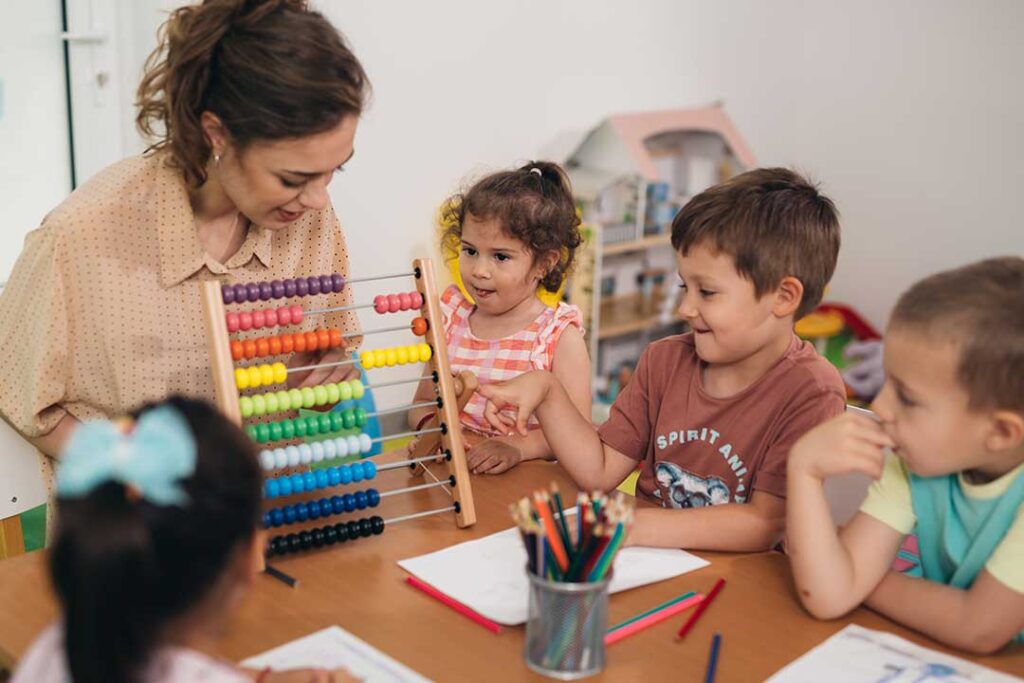
Young children learn through relationships. In early childhood settings, warm and dependable interactions with educators and peers help children feel secure, develop communication skills, manage emotions, and build confidence. In Carmel, IN, families may use center-based care, home-based care, preschool programs, or part-time arrangements, but the relationship principles remain similar: children need responsive adults, predictable routines, respectful guidance, and opportunities to connect with other children.
What does a healthy relationship look like in early childhood?
A healthy early childhood relationship is consistent, respectful, and responsive. The adult notices the child’s signals, responds calmly, and provides support without taking away the child’s growing independence.
Children benefit when educators:
- Greet them by name and acknowledge their feelings.
- Listen carefully, even when a child uses limited words.
- Explain what is happening before transitions or changes.
- Set clear limits without threats, humiliation, or harsh labels.
- Offer choices that are appropriate for the child’s age.
- Follow through consistently on routines and expectations.
- Show interest in children’s play, questions, and ideas.
A strong relationship does not mean allowing every behavior. Children feel safer when adults are both caring and predictable. A calm limit such as, “I will not let you hit. You can stomp your feet or ask for help,” communicates protection while teaching an alternative.
Why do relationships matter so much in the early years?
Young children depend on trusted adults to help them understand unfamiliar situations and regulate strong emotions. A child who feels secure is generally better able to explore, play, communicate, and recover from frustration.
Repeated positive interactions also help children develop an internal sense of trust. They begin to expect that adults will listen, provide comfort, and help solve problems. This foundation supports later skills such as cooperation, persistence, empathy, and conflict resolution.
Relationships with peers matter as well. Early friendships are not always peaceful or sustained, but they give children practice with sharing space, taking turns, expressing preferences, and repairing hurt feelings. Educators can guide these experiences without controlling every interaction.
How can educators build trust with children?
Trust develops through many small moments rather than a single activity. A child may remember whether an adult knelt down to listen, waited patiently during a difficult separation, or helped without making the child feel embarrassed.
Helpful practices include:
- Learning each child’s preferred name, comfort strategies, interests, and communication style.
- Using a calm voice and getting physically close enough to communicate clearly.
- Joining play without directing every step.
- Commenting on what a child is doing instead of asking constant questions.
- Giving children enough time to answer or respond.
- Keeping routines steady while preparing children for necessary changes.
- Reconnecting after a difficult moment.
An educator does not need to respond perfectly every time. If a conversation becomes rushed or a child feels misunderstood, a simple repair can help: “I spoke too quickly. I want to hear what happened.” Showing that relationships can recover teaches an important lesson about accountability.
How should adults respond to challenging behavior?
Challenging behavior is usually communication. A child may be tired, hungry, overwhelmed, unable to express a need, struggling with a transition, or unsure how to enter play. Understanding the possible cause does not mean ignoring unsafe behavior, but it can lead to a more effective response.
A useful response has three parts:
1. Keep everyone safe. Stop hitting, biting, throwing, or running into danger in a calm and direct manner.
2. Name the limit and feeling. For example, “You are angry that the blocks fell. I will not let you throw them at people.”
3. Teach the next step. Offer words, gestures, or actions the child can use, such as asking for a turn, moving to a quiet space, or requesting help.
Public shaming, forced apologies, and long lectures often do not teach the missing skill. A child may need help practicing what to do next time. Repair might include checking on a peer, rebuilding a knocked-over structure, or using a short phrase such as, “Are you okay?”
How can children learn to form healthy peer relationships?
Young children need direct instruction and guided practice. Adults can model language such as:
- “Can I play when you are finished?”
- “Please move back. I need space.”
- “You can have the red truck after my turn.”
- “Let’s find a way for both of you to use the blocks.”
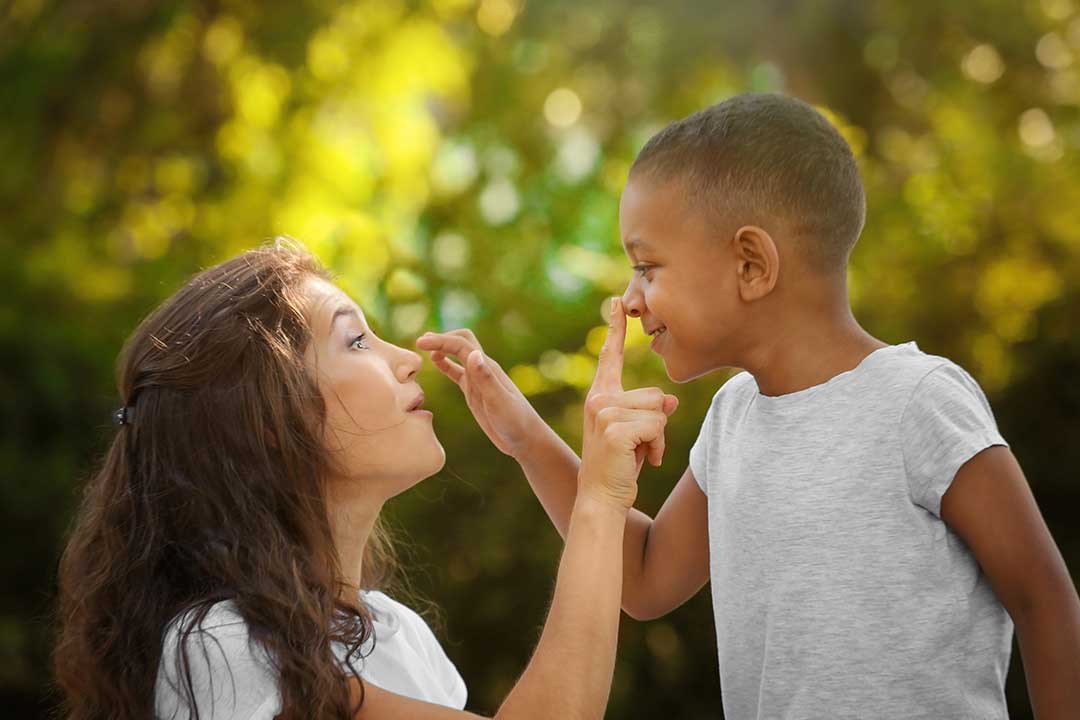
Educators can arrange materials and spaces to reduce unnecessary conflict. Providing duplicates of popular items, creating smaller play areas, and allowing enough time for children to become deeply involved can help. Adults should also watch for children who are repeatedly excluded, physically targeted, or unable to enter group play.
Not every disagreement is bullying, and not every child conflict should be solved immediately by an adult. The goal is to provide enough support for children to practice problem-solving while stepping in promptly when there is a safety concern, a significant power imbalance, or repeated harm.
How do routines support relationships?
Predictable routines reduce uncertainty. Arrival, meals, rest, outdoor play, toileting, cleanup, and departure can all become opportunities for connection when adults use them consistently.
In Carmel, seasonal weather can affect outdoor schedules, clothing needs, and indoor activity levels. On cold, wet, or very hot days, children may spend more time inside and have fewer opportunities to release energy through outdoor movement. Planning quiet choices, active indoor play, sensory activities, and small-group interaction can help prevent crowded spaces from becoming stressful.
Transitions deserve special attention. Young children often struggle when play ends suddenly. Visual reminders, countdowns, songs, simple warnings, and assigning a small transition job can make changes easier. A child who knows what will happen next is more likely to cooperate without feeling rushed or powerless.
How can families and early childhood settings work together?
Children benefit when the adults in their lives share basic information and use compatible approaches. Families can communicate about sleep patterns, comfort objects, important changes at home, languages used, cultural routines, and strategies that help the child calm down.
Communication should be specific rather than limited to general comments. A useful update might describe what happened before a conflict, how the child responded, and what helped. Families can also ask questions such as:
- How does the child enter play with other children?
- What happens when the child becomes upset?
- Which calming strategies are used?
- How are children supported during separation and transitions?
- How are biting, hitting, exclusion, or repeated conflicts addressed?
Respectful communication does not require adults to agree about every detail. It does require listening, protecting the child’s dignity, and focusing on observable behavior and practical support.
What should families look for in a relationship-centered setting?
A relationship-centered early childhood setting usually shows warmth and structure at the same time. Adults make eye contact, respond to children’s communication, use respectful language, and remain attentive during play and care routines.
Families may also notice whether:
- Children are given time to speak and make simple choices.
- Adults redirect behavior without insults or public humiliation.
- Room arrangements allow both active play and quiet breaks.
- Expectations are appropriate for children’s developmental stages.
- Cultural, family, language, and individual differences are treated respectfully.
- Staff explain how they respond to recurring social or emotional concerns.
Healthy relationships are built through ordinary interactions: a welcome at arrival, patient help with a difficult task, a calm response to frustration, and support after conflict. These moments give young children repeated experience with trust, boundaries, communication, and repair—the practical foundations of social and emotional development.